When you are managing heavy equipment operations across multiple regions or on a single large-scale project, sourcing the right parts at the right time can be the difference between staying on schedule and facing costly delays. Global procurement is not simply about finding a supplier with inventory. It is about finding a supplier with verified stock, reliable logistics, and the technical knowledge to ensure the parts you receive are compatible with your specific equipment.
This guide walks through the core principles of sourcing heavy equipment parts for large and international projects, covering what to look for in a supplier, how to evaluate part condition classifications, and how to navigate cross-border trade logistics.
Understanding Part Condition Classifications
Before placing any order for heavy equipment components, buyers need to understand what condition terms actually mean. The industry uses three primary classifications: new, remanufactured, and rebuilt. Each serves a different purpose depending on your operational timeline, budget, and application requirements.
New parts are original-specification components that have not been previously installed. They carry the longest service life expectancy and are typically used in situations where downtime tolerance is very low or where warranty documentation is required for project compliance.
Remanufactured parts, often abbreviated as reman, are components that have been completely disassembled, cleaned, inspected, and restored to original performance specifications using a combination of new and reconditioned subcomponents. A properly remanufactured part performs within the same tolerances as a new unit and is often preferred in cost-sensitive procurement environments where lead times for new parts are impractical.
Rebuilt parts have been repaired or reconditioned to restore operational function but may not meet the full original performance specifications. They are typically used in secondary applications or fleet scenarios where the equipment in question is approaching the end of its service life.
Understanding these distinctions allows procurement teams to match part selection to project requirements without overspending on specifications that are not operationally necessary.
Evaluating a Global Supplier
Not all suppliers operate at the same level of capability. When sourcing heavy equipment parts for large contracts or international projects, you need to assess several dimensions of a supplier’s operation before committing to a purchase.
The first factor is inventory depth. A reliable supplier maintains organized stock across major categories including engine systems, hydraulic assemblies, undercarriage components, and powertrain parts. Shallow inventory forces buyers to manage multiple vendors per order, which increases coordination cost and introduces more points of failure.
The second factor is technical documentation. Reputable suppliers provide compatibility statements, specifications tables, and application data for every listing. If a supplier cannot tell you the operating pressure range of a hydraulic pump or the torque specifications of a final drive assembly, that is a signal to look elsewhere.
The third factor is export capability. For international procurement, your supplier must be familiar with trade compliance documentation including commercial invoices, packing lists, certificates of origin, and Harmonized System codes. Errors in export documentation create customs delays that can hold your shipment for weeks and generate unexpected costs.
The fourth factor is communication responsiveness. In B2B heavy equipment transactions, questions arise frequently. A supplier that takes days to respond to technical questions or shipping inquiries will slow down your procurement cycle and increase project risk.
Navigating Cross-Border Logistics
International shipments of heavy equipment parts involve several logistical considerations that are not present in domestic procurement. Understanding these factors in advance allows you to plan lead times accurately and avoid disruptions.
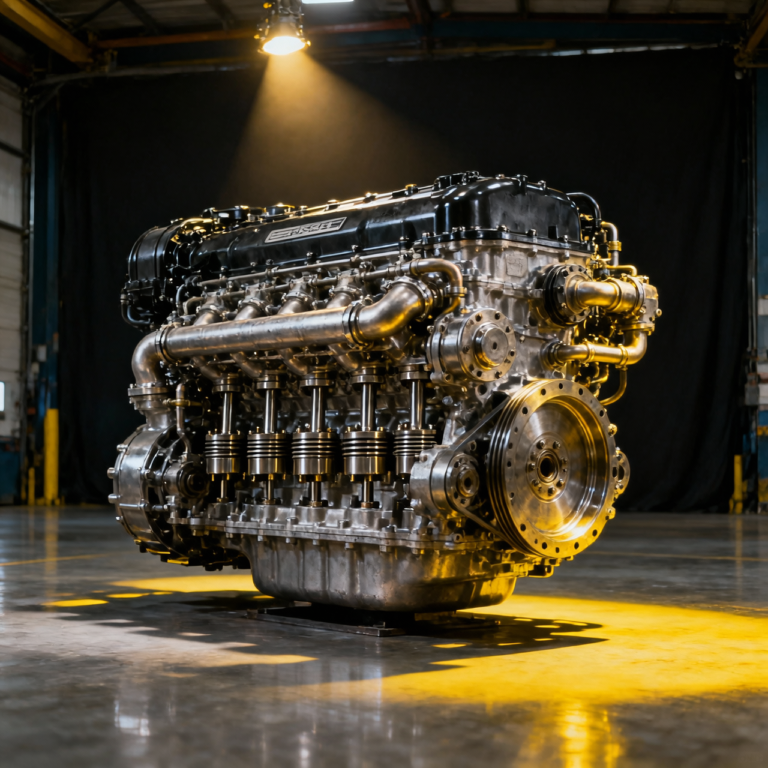
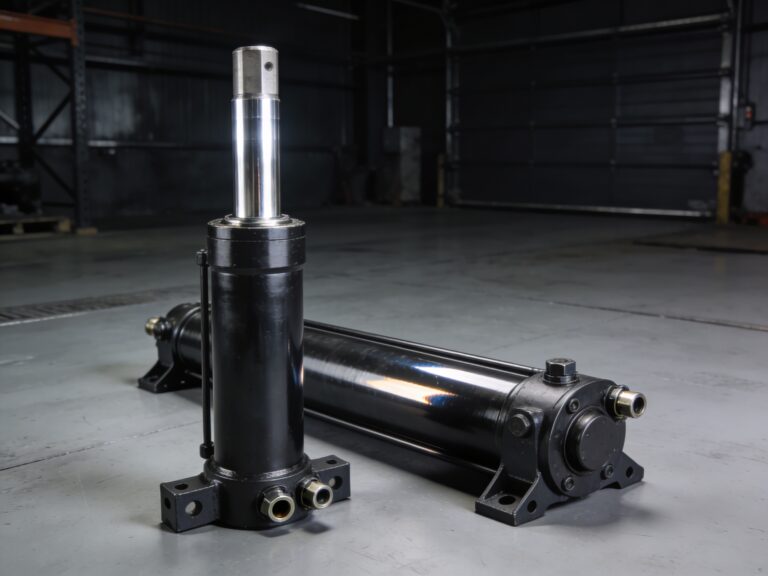
Freight method selection depends on the size and urgency of the shipment. Smaller parts such as seals, sensors, and hydraulic fittings typically ship via air freight for time-sensitive orders. Larger assemblies such as complete engine units, final drives, or hydraulic cylinders are typically shipped via sea freight in crated or palletized form.
Incoterms define the responsibilities of buyer and seller in international trade transactions. Common terms include EXW (Ex Works), where the buyer assumes responsibility at the supplier’s warehouse; FOB (Free on Board), where the seller covers costs to the port of export; and CIF (Cost, Insurance, and Freight), where the seller covers shipping and insurance to the destination port. Buyers should clarify Incoterms before any order is confirmed to avoid disputes over cost and liability.
Import duties and tariffs vary significantly by country and by Harmonized System code. Parts classified under certain headings may be subject to reduced or zero duty rates under applicable free trade agreements. Working with a licensed customs broker in your country of import is the most reliable way to ensure correct duty assessment and avoid penalties.
Packaging standards for heavy industrial components require attention. Cylinder assemblies, precision-machined components, and electronic control units require protective packaging that prevents moisture ingress and mechanical damage during transit. A competent supplier uses appropriate dunnage, vapor barrier materials, and crating specifications for each component type.
Building a Reliable Procurement Process
The most effective approach to global parts procurement is a structured, repeatable process rather than a reactive, ad-hoc approach. Organizations that establish approved supplier lists, standardized request-for-quote templates, and clear internal approval thresholds for parts spending consistently outperform those that source on a case-by-case basis.
Starting with a defined scope of need allows procurement teams to batch orders more efficiently, reduce per-unit shipping costs, and establish stronger supplier relationships over time. Rather than placing individual orders for one component at a time, experienced procurement managers plan maintenance windows and capital parts requirements in advance to consolidate purchases.
Maintaining a purchase history log that tracks supplier performance, part quality, and delivery accuracy gives your team the data needed to make better sourcing decisions over time. If a particular supplier consistently delivers ahead of schedule and without discrepancies, that relationship deserves priority status. If a supplier regularly ships incorrect parts or produces inaccurate documentation, that record justifies sourcing from an alternative.
Why Independent Suppliers Matter
The global heavy equipment market is dominated by OEM dealer networks that are designed to sell complete machines and factory-certified parts at premium pricing. For many operations, particularly those running mixed fleets of different makes and models, the OEM dealer network is impractical as a primary parts source. Lead times for OEM parts through official channels can stretch to months for less common components, and pricing often reflects brand premium rather than operational value.
Independent suppliers that specialize in heavy equipment components fill a critical role in the global supply chain. By sourcing across multiple channels and maintaining broad inventory across major categories, independent suppliers give buyers access to parts that are no longer in active OEM production, parts that are compatible with multiple equipment makes and models, and parts at price points that are appropriate for the scale and budget of the project at hand.
Ironclad Heavy Equipment Supply operates as an independent global supplier with no OEM affiliation. Every part we supply is listed with a clear compatibility statement. We do not represent or imply endorsement by any original manufacturer. Our role is to connect your operation with the components it needs to stay productive, on time, and within budget.