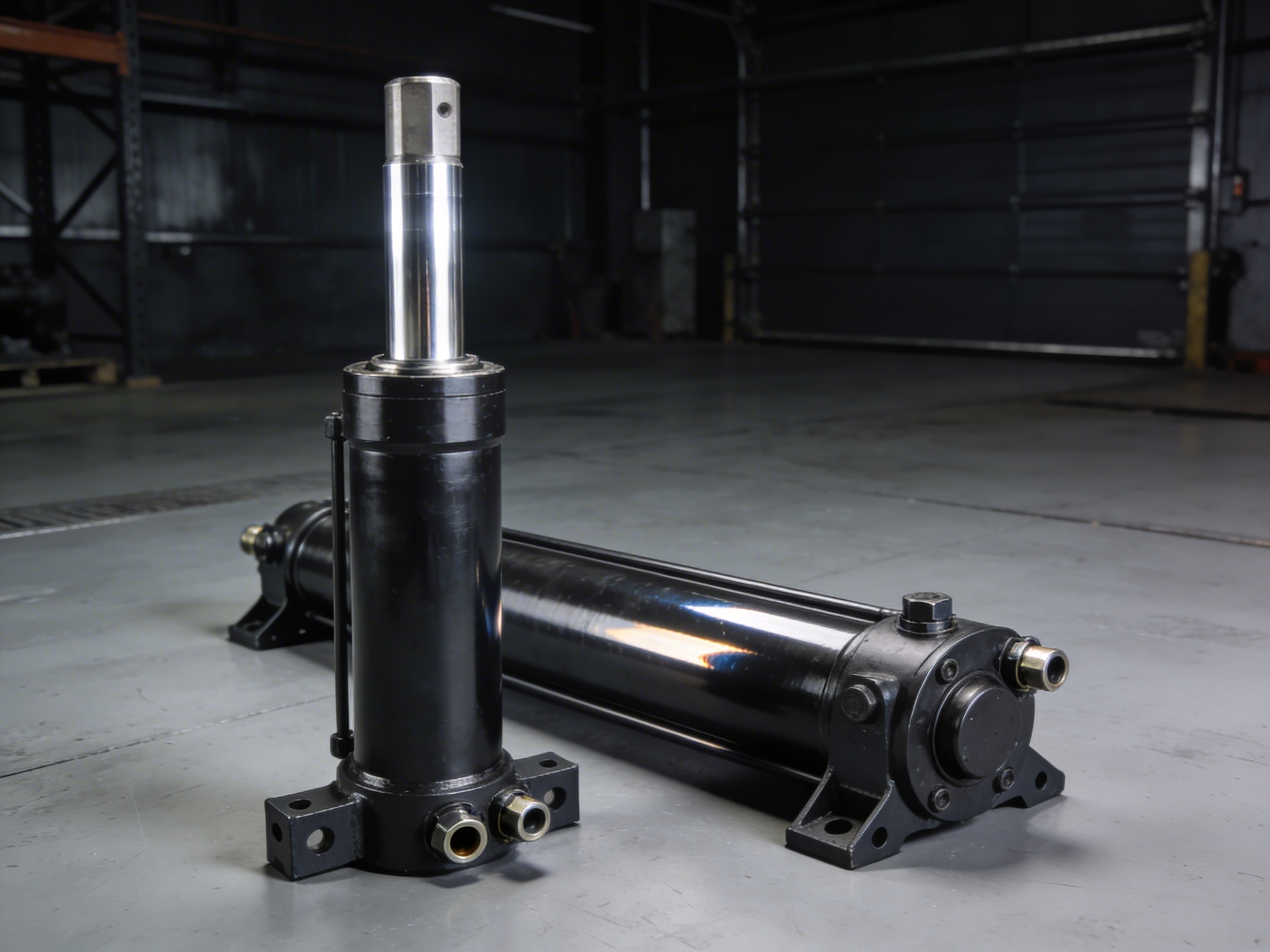
Hydraulic systems are among the most work-intensive components in any piece of heavy equipment. Whether it is a boom cylinder on an excavator, a blade tilt circuit on a motor grader, or a steering system on a large haul truck, hydraulic circuits are under continuous pressure and subject to contamination, heat cycles, and mechanical wear throughout every shift.
Fleet maintenance teams that prioritize hydraulic system health consistently see lower repair costs, fewer unexpected breakdowns, and longer component service life than those that treat hydraulic maintenance reactively. This article outlines a practical framework for maintaining hydraulic systems across a heavy equipment fleet.
The Role of Fluid Cleanliness
Hydraulic fluid contamination is the leading cause of hydraulic component failure in heavy equipment. Contaminants enter the system through several pathways: through breather caps and reservoir vents, through cylinder rod seals that are exposed to dusty and abrasive environments, through improper fluid top-off procedures, and through internal component wear that generates metal particles.
The ISO cleanliness code system provides a standardized way to measure contamination levels in hydraulic fluid. Each code represents a range of particle counts per milliliter across two particle size thresholds. Maintaining fluid within the cleanliness specification recommended by the system designer is the single most impactful action a maintenance team can take to extend the life of hydraulic pumps, valves, motors, and cylinders.
High-pressure filtration at the return line and case drain line, combined with scheduled fluid sampling and analysis, is the foundation of an effective contamination control program. If fluid analysis reveals contamination levels above acceptable thresholds, the system should be flushed and the fluid replaced before continued operation.
Hydraulic Pump Wear and Replacement
The hydraulic pump is the heart of the system. It converts mechanical energy from the engine into fluid power that actuates every hydraulic function on the machine. Pump wear typically manifests gradually, with the first signs appearing as reduced system pressure, slower cycle times, and increased pump noise during operation.
Internal leakage within a worn pump reduces volumetric efficiency, meaning the pump moves less fluid per revolution than it should. As efficiency drops, the system demands more input power to maintain the same output, which increases fuel consumption and generates excess heat. Both of these effects accelerate wear throughout the entire hydraulic circuit.
When pump performance falls below the manufacturer’s minimum efficiency specification, replacement is warranted. A remanufactured hydraulic pump that has been tested to original pressure and flow specifications represents the most cost-effective replacement option in most fleet applications.
Cylinder Seal Integrity
Hydraulic cylinders on heavy equipment are exposed to abrasive environments, high cycle counts, and temperature extremes. The seal system within each cylinder, including the rod seal, piston seal, and wiper seal, is the primary barrier between the high-pressure hydraulic circuit and the external environment.
Rod seal failure is the most visible form of cylinder degradation, presenting as external fluid leakage along the cylinder rod. Beyond the fluid loss and environmental impact, a leaking rod seal allows contaminants to enter the cylinder bore, which accelerates scoring of the rod and cylinder tube surfaces.
Regular inspection of all visible cylinder rods for fluid film, scoring, or corrosion allows maintenance teams to identify seal failures early and schedule repairs before they progress to cylinder damage that requires machining or complete replacement.
Hose and Fitting Condition
Hydraulic hoses in heavy equipment applications are subject to pressure impulse fatigue, abrasion from contact with machine structure, UV degradation, and thermal cycling. Hose failures that occur under operating pressure result in rapid fluid loss, potential machine damage, and serious safety hazards for nearby personnel.
A scheduled hose inspection program should evaluate every hose in the circuit for condition at defined intervals. Signs of impending failure include surface cracking, abrasion damage to the outer cover, fitting corrosion, and hose swelling near fittings, which can indicate internal liner separation. Any hose showing these signs should be replaced before returning the machine to service.
Heat Management in Hydraulic Systems
Hydraulic fluid operating above its optimal temperature range degrades more rapidly, loses viscosity, and loses its ability to maintain the lubricating film that protects precision components. Chronic overheating in a hydraulic circuit is always a signal that something in the system is not functioning correctly.
Common causes of hydraulic overheating include an undersized or blocked oil cooler, a cooling fan that is not operating at design speed, fluid that is past its service life and has lost its thermal stability, excessive internal leakage in worn components that converts pressure energy into heat, or a system that is being operated outside its designed duty cycle.
Diagnosing the root cause before replacing the cooler or adding cooling capacity is important. If a worn pump is generating significant internal leakage, adding cooler capacity will reduce the symptom but will not stop the progressive damage occurring within the pump and downstream components.
Sourcing Replacement Hydraulic Components
For large fleets and international operations, having a reliable source for hydraulic replacement components is as important as having a maintenance program. Downtime cost in mining and construction environments is substantial, and waiting weeks for hydraulic components through traditional dealer channels is often not operationally acceptable.
Ironclad Heavy Equipment Supply maintains inventory of hydraulic pumps, motors, cylinders, control valves, and related assemblies. Our listings include technical specifications, condition classifications, and compatibility data to support accurate procurement decisions. Worldwide shipping is available on all hydraulic inventory. Contact our team at sales@ironcladequipmentsupply.com to request availability and pricing for specific applications.